
In the modern era, our homes have transformed from mere shelters into multi-functional sanctuaries. We work, exercise, rest, and socialize within the same four walls. This shift has given rise to a new philosophy in residential design: Vitality Efficient Home Plans. Unlike traditional “green” building, which focuses almost exclusively on energy consumption. Vitality Efficiency looks at the home as a living organism that must sustain both the environment and the physical and mental health of its inhabitants.
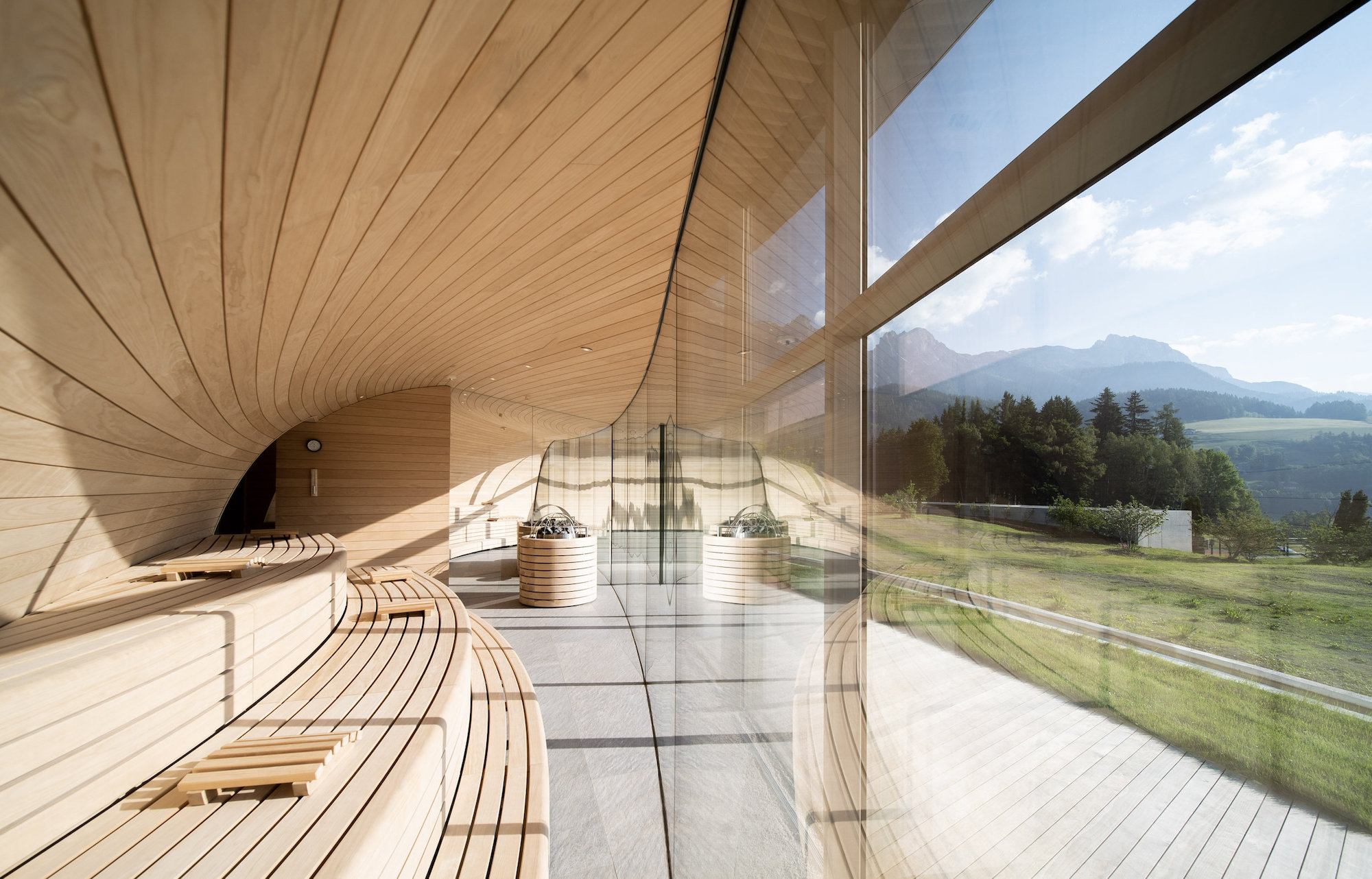
A Vitality Efficient home is design to optimize resources while maximizing the life force. Or vitality, of the people living inside. It is the intersection of high-performance engineering and human-centric design. This article explores the core principles of these plans and why they represent the future of sustainable living.
Passive Design: Harmonizing with Natural Forces
The foundation of any Vitality Efficient home plan is passive design. This strategy minimizes the need for mechanical heating and cooling by utilizing the natural environment. By aligning a home with the path of the sun and prevailing wind patterns. Architects can create a space that feels naturally comfortable.
- Solar Orientation: Living areas are typically placed on the south-facing side of the house (in the northern hemisphere) to harvest natural warmth during the winter. Large, high-performance windows allow sunlight to penetrate deep into the home, reducing the need for artificial lighting and heating.
- Thermal Mass: These plans often incorporate materials like concrete, stone. Or brick that can store heat during the day and release it slowly at night. This keeps the internal temperature stable, which is not only energy efficient. But also less taxing on the human body’s internal regulation systems.
- Natural Ventilation: Vitality Efficiency prioritizes air quality. By placing windows strategically to encourage cross-ventilation, a home can flush out stale air. And pollutants without relying on noisy, energy-draining HVAC systems.
Biophilic Integration: Bringing Life Indoors
A key differentiator of Vitality Efficient plans is the emphasis on Biophilia—the innate human tendency to seek connections with nature. Studies have consistently shown that views of greenery, the sound of water, and the presence of natural materials can lower heart rates and reduce stress.
Home plans in this category often include “transition spaces” like sunrooms, internal courtyards, or expansive floor-to-ceiling glass walls that blur the line between the interior and the exterior. The use of natural wood, non-toxic stone, and even living “green walls” helps to regulate humidity and filter indoor air while providing a sensory connection to the natural world. This connection is vital for maintaining mental clarity and emotional resilience in an increasingly digital world.
The Breathable House: Superior Air Quality and Non-Toxic Materials
Energy efficiency in the past often led to “tight” houses that trapped mold, volatile organic compounds (VOCs), and carbon dioxide. Vitality Efficient home plans solve this by prioritizing the “health of the breath.”
These plans specify the use of “breathable” wall systems and strictly non-toxic building materials. From formaldehyde-free cabinetry to solvent-free paints and natural fiber insulation like wool or hemp, every element is chosen to ensure that the air inside is as pure as the air in a forest. Furthermore, high-efficiency Energy Recovery Ventilators (ERVs) are standard, ensuring a constant supply of fresh, filtered air while retaining the thermal energy of the air being exhausted.
Spatial Psychology and Circadian Lighting
The layout of a Vitality Efficient home is dictated by spatial psychology. Instead of dark, cramped hallways and isolated rooms, these plans favor open, flowing layouts that encourage movement and social interaction. High ceilings and “light wells” ensure that every corner of the home receives natural light.
Furthermore, these homes often integrate smart lighting systems designed to follow the human circadian rhythm. During the morning, the lights emit a cool, blue-toned glow to stimulate alertness. As the day progresses, the light shifts to a warmer, amber hue to encourage the production of melatonin, ensuring a deeper and more restorative sleep. By aligning our home environment with our internal biological clock, Vitality Efficiency directly impacts our daily energy levels and long-term health.
Smart Resource Management: Beyond Solar Panels
While solar energy is a staple of these plans, Vitality Efficiency looks deeper into resource management. This includes advanced water filtration and greywater recycling systems. In a Vitality Efficient home, rainwater may be harvested for irrigation or even treated for indoor use, reducing the home’s footprint on local municipal systems.
The “efficiency” also extends to the kitchen and food storage. Plans often include dedicated zones for indoor herb gardens or root cellars, encouraging a farm-to-table lifestyle even in urban settings. When a home supports healthy eating and sustainable resource use, it enhances the vitality of the family unit.
Conclusion: A Legacy of Health and Sustainability
Vitality Efficient Home Plans represent a holistic evolution in the way we build. They recognize that a house should do more than just exist on a plot of land; it should actively contribute to the well-being of its owners and the health of the planet. By combining passive solar techniques, biophilic design, and non-toxic construction, these homes provide a blueprint for a life of higher energy, better sleep, and reduced environmental impact.
Investing in such a plan is not just a real estate decision; it is a commitment to a lifestyle of longevity and mindfulness. As we move further into the 21st century, the most valuable luxury a home can provide is the vitality of those who live within its walls.