
For many people, buying a house is the milestone of a lifetime. However, walking through pre-built suburban developments or browsing older properties online often comes with a realization: you are looking at someone else’s dream, not your own. You find yourself compromising on the kitchen layout, wishing the windows let in more natural light, or wondering why the master bedroom is placed so close to the noisy street.
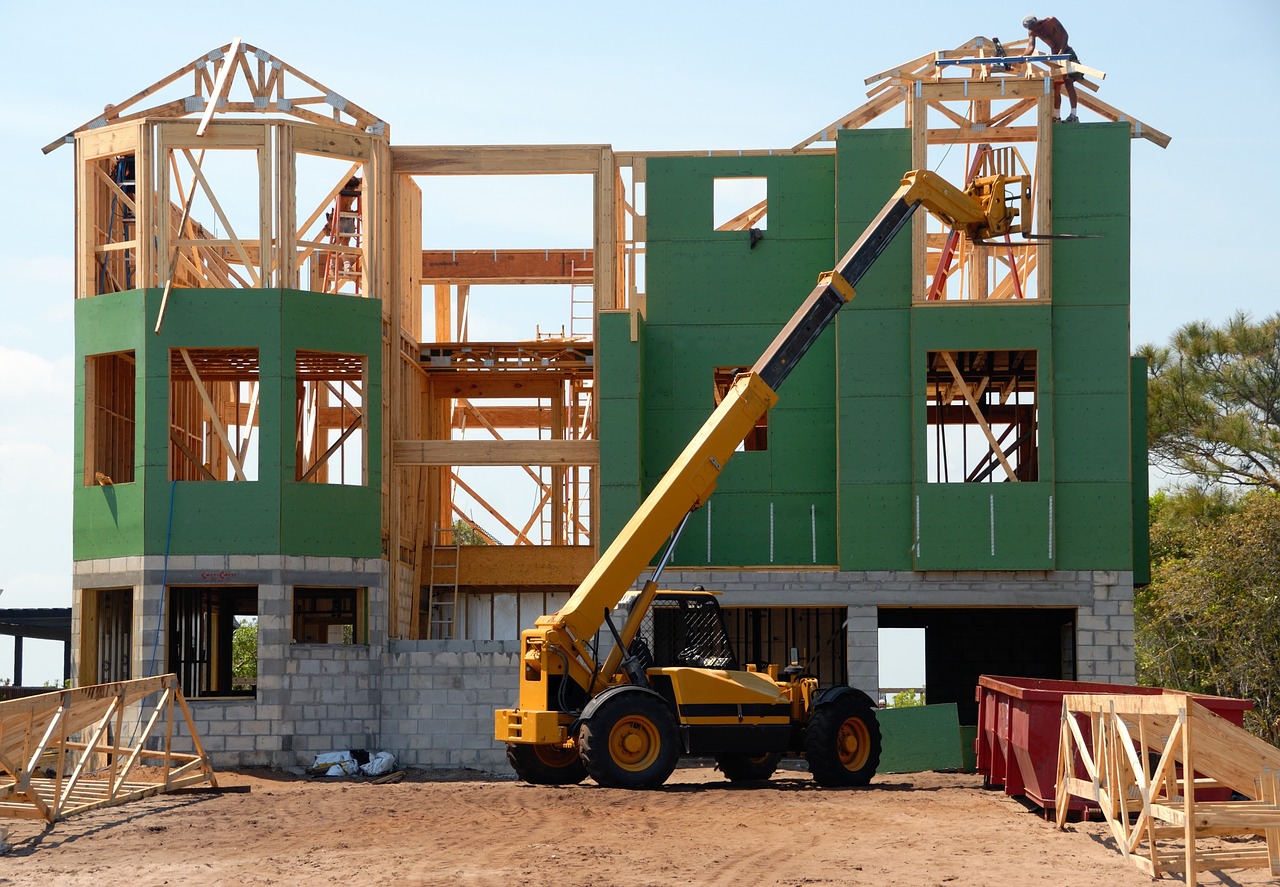
This is where the concept of a custom-built home changes everything. Instead of adapting your lifestyle to fit a structure, a custom home adapts the structure to fit your life. From the foundation to the roofline, every square inch is engineered to reflect your personal taste, functional needs, and vision for the future.
The Core Advantages of Choosing a Custom Build
Building a home from scratch is undoubtedly an intensive project, but the rewards it offers far outweigh the effort required.
1. Complete Personalization and Freedom
The most obvious benefit of a custom build is total control over design and aesthetics. You are the author of your space. If you love culinary arts, you can design a restaurant-grade kitchen with a massive island and a walk-in butler’s pantry. If you work from home, you can position your home office in the quietest corner of the property, complete with built-in bookshelves and soundproofing. Every material, paint color, flooring type, and lighting fixture is selected by you.
2. Maximizing Lot Potential and Orientation
When you buy an existing home, you are stuck with its positioning. With a custom build, you can choose how your home sits on the land. You can orient the living room windows to capture the morning sunrise, position bedrooms away from harsh afternoon heat, or preserve a beautiful old oak tree on the property to act as the centerpiece of your backyard view.
3. Integration of Advanced Technology and Energy Efficiency
Older homes often require costly retrofitting to become energy-efficient or smart-home compatible. Custom building allows you to integrate these systems seamlessly into the initial construction phase. You can install geothermal heating, solar panels, high-efficiency insulation, automated climate control, and advanced security systems right into the bones of the house. This not only reduces your carbon footprint but also translates into massive savings on utility bills over time.
Understanding the Custom Homebuilding Process
Entering the world of custom construction can feel overwhelming. Knowing the standard sequence of events can help you manage your expectations and stay organized.
Phase 1: Securing the Land and Budgeting
Before a single line is drawn, you need to find the perfect location and establish a realistic budget. The cost of land, local zoning laws, soil quality, and utility hookups must all be factored into your financial planning before moving forward.
Phase 2: Assembling Your Team
Your core team will typically consist of an architect, an interior designer, and a general contractor or custom builder. Many modern firms offer “design-build” services, where architects and builders work under the same roof, ensuring that your artistic vision aligns perfectly with practical construction costs.
Phase 3: The Design and Blueprints
This is where your ideas take physical shape. You will work closely with the architect to map out floor plans, traffic flow, elevations, and structural elements. Expect multiple revisions during this phase until the layout feels exactly right.
Phase 4: Construction and Finishing
Once permits are approved, ground is broken. This stage moves from excavation and framing to plumbing, electrical installations, drywalling, and finally, the interior finishes. Communication with your builder during this phase is vital to ensure everything matches your specifications.
Overcoming Common Pitfalls
While the journey is exciting, custom building is not without its risks. The two most common hurdles are budget overruns and timeline delays. Weather conditions, supply chain issues, and sudden design changes can easily derail a project.
To protect yourself, always include a contingency fund of at least 10% to 15% within your budget to cover unexpected expenses. Furthermore, practice patience and avoid making major design changes mid-construction, as changing your mind after materials are ordered or walls are framed is the fastest way to drive up costs and stall progress.
Conclusion
A custom-built home is far more than just a real estate investment; it is a tangible expression of your lifestyle and achievements. While it demands a significant investment of time, decision-making, and emotional energy, the payoff is unparalleled. You walk away with a high-quality, efficient sanctuary that functions exactly how you need it to, wrapped in an aesthetic that makes you feel genuinely at home. If you value individuality, functionality, and long-term satisfaction, building a custom home is the ultimate way to design your destiny.